Brain fog at work: it’s not laziness, your brain is used up
Hard thinking makes effort more costly as the day goes on. Plan for it instead of fighting it.
8 October 2026 · 4 min read
3:10pm. You’ve read the same email three times and still don’t know what it says.
This morning you wrote a whole proposal. Now you can’t answer one simple question. What happened?
The fog has a cause
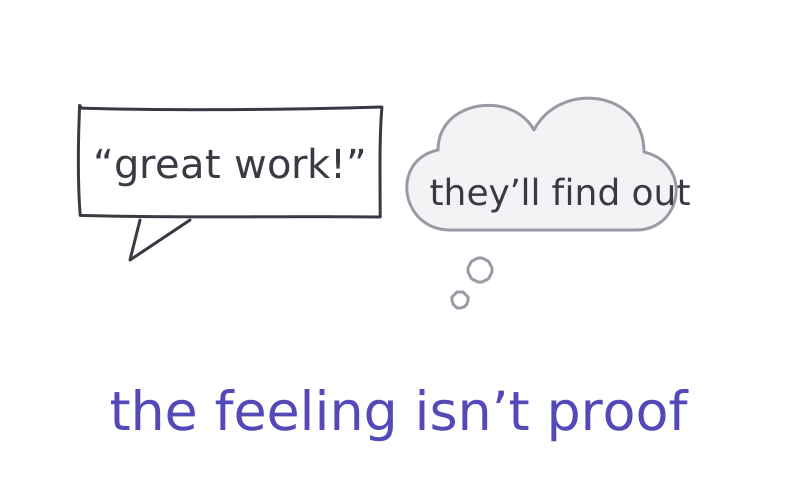
Most of us blame ourselves. Not disciplined enough. Not enough coffee. Should try harder.
But afternoon fog after a morning of hard thinking isn't a character problem. It's what thinking does to the brain.
You notice it in small ways. You reread lines. You open a tab and forget why. Simple choices, like which email to answer first, feel strangely heavy.
Hard mental work, the kind where you hold several things in your head, make decisions, and keep yourself from doing the easy thing, really does wear you down. And now researchers can see part of why.
Your brain raises the price of effort
A team at the Paris Brain Institute led by Antonius Wiehler and Mathias Pessiglione had people do mentally demanding tasks for most of a working day. Another group did an easy version of the same tasks.
By the end of the day, the hard-work group had more glutamate, a chemical that builds up during intense brain activity, in a brain region used for self-control and hard thinking. The easy group didn't.
And their choices changed. The hard-work group started picking options that needed less effort and paid off sooner.
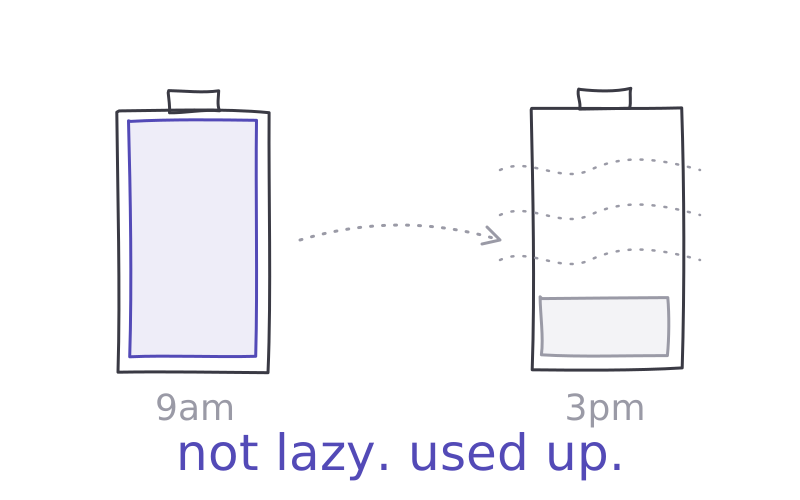
The researchers' explanation: as glutamate builds up, the brain makes further effort more costly. So by 3pm, the same task really does cost more than it did at 9am.
It also explains the pull you feel in the afternoon towards the quick win: the easy email, the tidy-up, the scroll. Your brain is picking the cheaper option. It's also why choices feel harder late in the day, as we explain in decision fatigue.
You're not lazy. You're running on a fuller cost meter.
A break helps, but not just any break
Breaks do help, just less than we'd like. Patricia Albulescu and her team pooled studies on 2,335 people. Short breaks of up to ten minutes made people feel less tired and more energetic. The effect was small, and the longer the break, the bigger the boost. After draining work, ten minutes may not be enough.
What you do in the break matters too. Kang and Kurtzberg found that people who spent a break on their phone solved fewer problems afterwards than people who took the same break on paper or a computer.
So scrolling through the fog feels like rest. It isn't.
Plan the day around it
You can't stop the fog coming. But you can stop putting your hardest work right in its path.
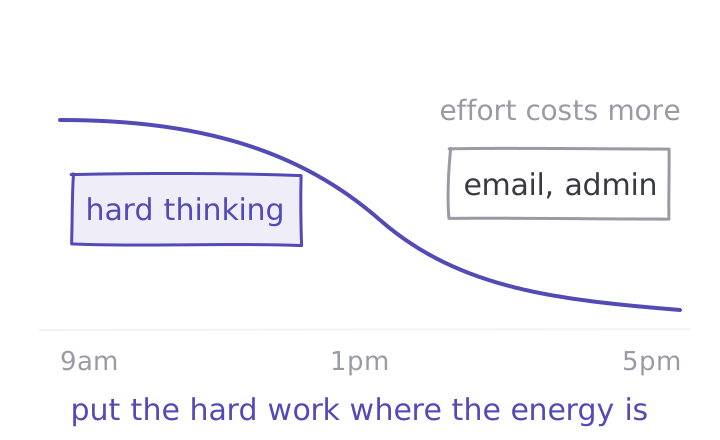
Tomorrow, do your hardest thinking task first, before email and Slack. The proposal, the plan, the tricky decision. That's when effort is cheapest. Write it on a sticky note tonight, so it's the first thing you see. If you plan your day in blocks, time blocking shows how to protect that first slot.
Move the easy work, like replies, admin, filing and booking meetings, to the afternoon. It still gets done, just at the time of day it suits. Five quick replies at 3pm feel fine. The same five at 9am eat the best part of your day.
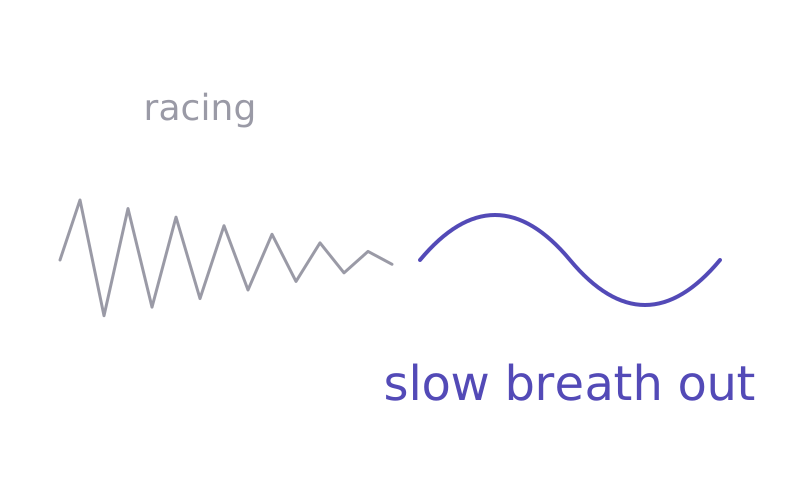
When the fog arrives anyway, take a real break: ten minutes or more, away from screens, phone in a drawer. Walk, get water, look out of a window. Then come back to something small.
And if you feel foggy all day, every day, for weeks, even after rest, that's worth talking to a doctor about. It isn't a planning problem.
So: what's the one hard task you'll move to first thing tomorrow?
Try it
Give your best hours to your hardest work. CatchScroll gives you a focus timer that is free for good, and a two-minute reset for the moments the fog rolls in.
Try a reset free →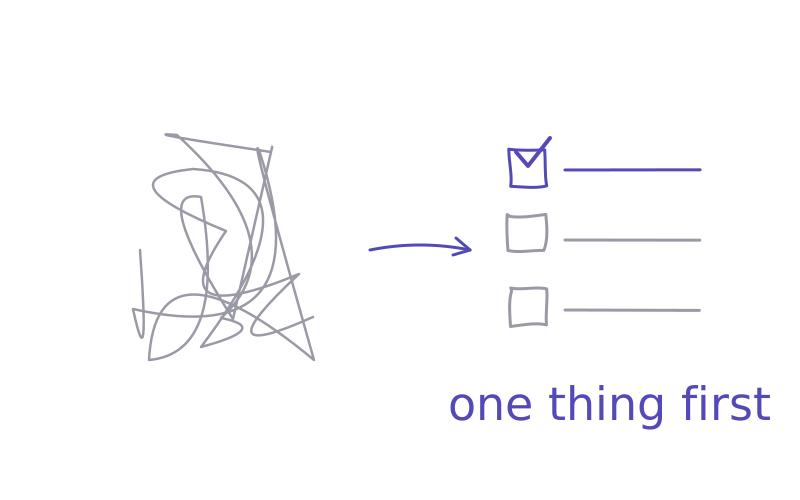
Sources
- 01Wiehler, A., Branzoli, F., Adanyeguh, I., Mochel, F. & Pessiglione, M. — A neuro-metabolic account of why daylong cognitive work alters the control of economic decisions: higher glutamate in the lateral prefrontal cortex after high-demand work. Current Biology 32(16), 2022 ↗
- 02Albulescu, P. et al. — "Give me a break!" A meta-analysis of micro-breaks: 22 samples, 2,335 people. PLOS ONE, 2022 ↗
- 03Kang, S. & Kurtzberg, T. R. — Reach for your cell phone at your own risk: the cognitive costs of media choice for breaks. 414 participants. Journal of Behavioral Addictions 8(3), 395–403, 2019 ↗