No motivation to work? Stop waiting for it to show up first
Motivation doesn’t come before the work. It comes from making progress on it.
17 October 2026 · 4 min read
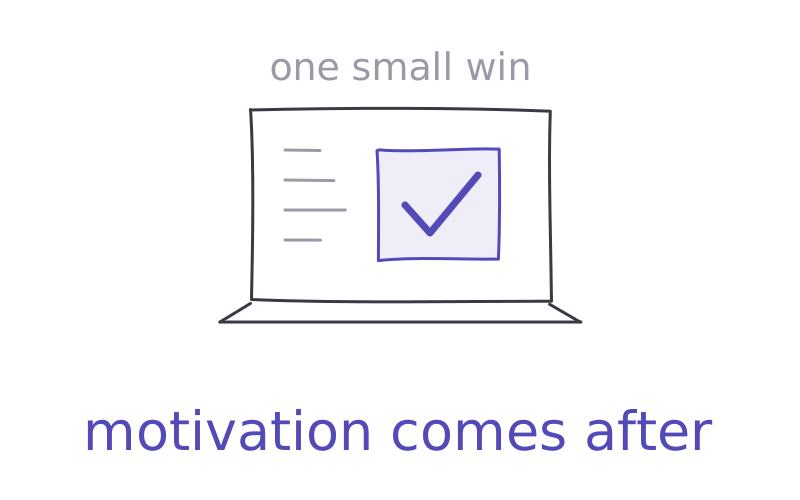
Tuesday, 10:40. The coffee’s finished. The proposal has been “next” since Monday.
You’re not refusing to do it. You’re waiting until you feel like it. And the feeling isn’t coming.
Waiting to feel like it
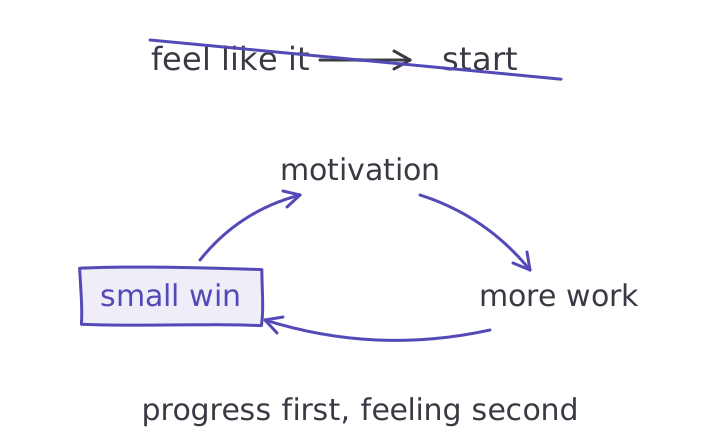
Most of us carry a quiet rule: first I'll feel motivated, then I'll work.
It sounds sensible. It's how we picture people who get a lot done. They wake up keen and get stuck in.
So when the keenness doesn't come, we decide something is wrong with us. Lazy. Burnt out. In the wrong job. Then we try to fix the feeling first: another coffee, a motivational video, ten minutes on the phone "to get in the mood".
The proposal is still there at 11:30.
The problem isn't you. It's the order.
Motivation comes after progress
Teresa Amabile at Harvard Business School and psychologist Steven Kramer asked 238 professionals, in 26 project teams, to write a short diary every working day. They collected almost 12,000 entries.
They wanted to know what made a good day at work: a day when people felt good, cared about the work and stayed motivated. Was it praise? Pay? A supportive boss?
The answer was smaller than any of those. In Amabile's words, the single most important thing was "simply making progress on meaningful work". And the progress didn't need to be big. Even a small win could lift someone's whole day.
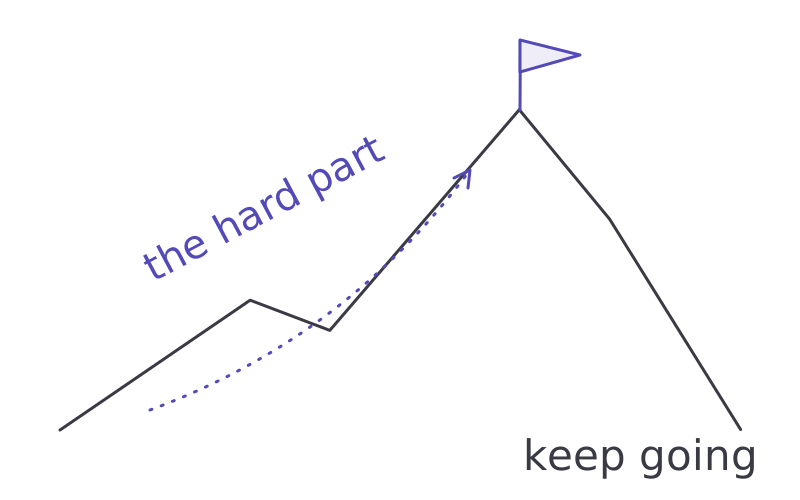
Look at what that means. Motivation isn't the fuel you need before you start. Mostly, it's what you get after you've moved something forward. Progress comes first, the feeling follows, and the feeling pulls you into the next piece of work.
So waiting to feel motivated is waiting for the result of the work before you do the work.
Why your phone wins every time
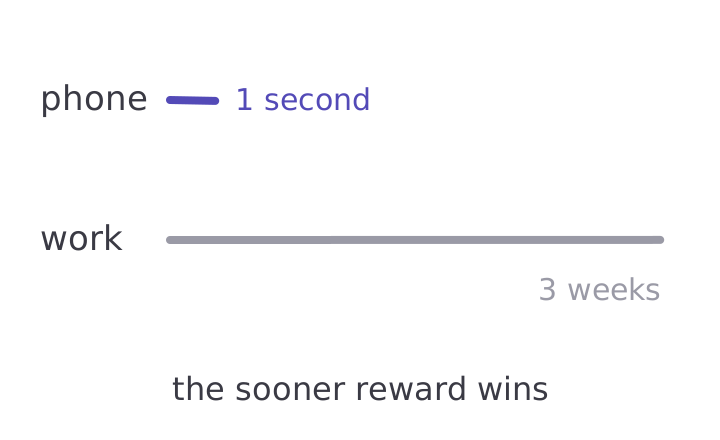
There's a second problem. The rewards of work are far away. The proposal pays off when the client signs, maybe in three weeks. Your phone pays off in one second.
Kaitlin Woolley and Ayelet Fishbach tested how much that timing matters. People did a task for a bonus. Some got it straight away, others had to wait a month for the same money. When the bonus stopped, almost 20% more of the people paid straight away kept going. In another of their studies, a sooner reward did more for motivation than a bigger one.
Work rarely gives you anything soon. So your brain, quite reasonably, picks the thing that does.
That's why "think about the end goal" doesn't help much in the moment. The goal is real, but it's far away. You need something closer.
Make a win you can see, today
So stop trying to feel motivated. Make a small win happen, and give the work a reward that arrives now. It takes about fifteen minutes to set up.
Pick a finish line you can reach in 20 minutes. Not "work on the proposal". "Write the three bullet points for the pricing section." It has to be something you'll know is done. If even that feels too big, make the first step tiny.
Make the win visible. When it's done, tick it off on paper or add it to a short "done today" list on your desk. Amabile and Kramer's advice to managers is to help people see their own progress. Do the same for yourself, or the win disappears into a long to-do list.
Give the task a reward now. Pair it with something you enjoy that you only get while you do it: the good coffee, a favourite playlist, a spot in the café. Katherine Milkman tested this "temptation bundling" with gripping audiobooks that people could only listen to at the gym. They went 51% more often at first, though the effect faded over the weeks. Use it to get going, not as the whole plan.
Then pick the next finish line while the good feeling is still there.
If you've felt this way for weeks, look at what's draining you too. Brain fog and overwhelm both feel like low motivation from the inside.
Back to Tuesday, 10:40. What's the 20-minute version of your proposal?
Try it
When you reach for your phone instead of the first step, that’s the moment CatchScroll is built for: a two-minute reset matched to the feeling, then back to your finish line with a focus timer that is free for good.
Try a reset free →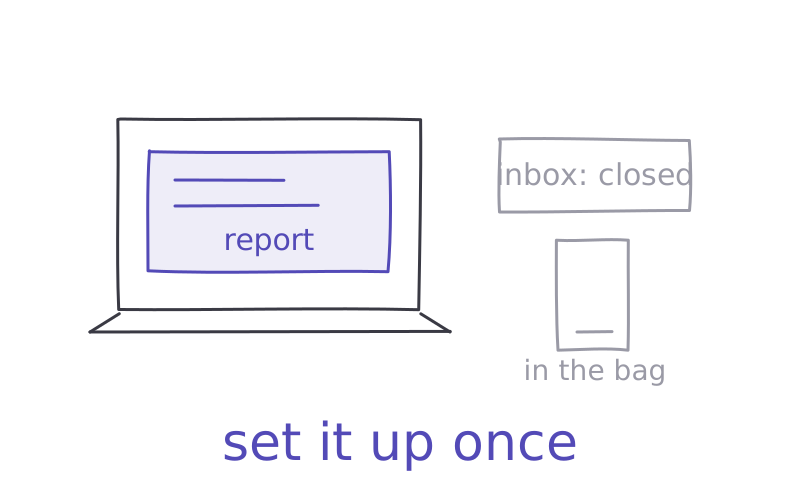
Sources
- 01Amabile, T. M., interviewed by Mind Tools — The Progress Principle: 238 professionals in 26 project teams wrote almost 12,000 daily diary entries; “the single most important event in boosting inner work life was simply making progress on meaningful work.” Mind Tools Expert Interview; book: Harvard Business Review Press, 2011 ↗
- 02Amabile, T. M. & Kramer, S. J. — The power of small wins. “Want to truly engage your workers? Help them see their own progress.” Harvard Business Review, May 2011 ↗
- 03Woolley, K. & Fishbach, A. — It’s about time: earlier rewards increase intrinsic motivation. An immediate bonus led to almost 20% more people sticking with a task after the reward stopped than the same bonus a month later; timing mattered more than size. Journal of Personality and Social Psychology, 2018 (summary: Cornell Chronicle) ↗
- 04Milkman, K. L., Minson, J. A. & Volpp, K. G. M. — Holding the Hunger Games hostage at the gym: an evaluation of temptation bundling. 226 people; audiobooks only at the gym led to 51% more visits at first, fading over time. Management Science 60(2), 283–299, 2014 ↗